Today was cactus repotting day. I have three succulent plants that needed some attention before the start of spring.
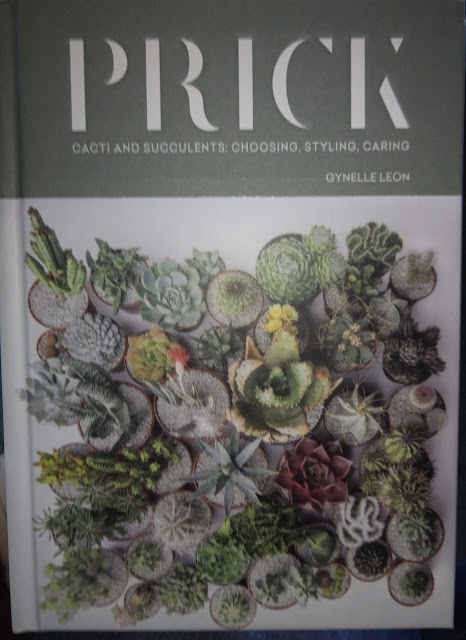 |
| Prick, by Gynelle Leon, link and description below |
Here I am repotting a cactus called
Tephrocactus Articulatus - a hardy little plant which seems quite resistant to the cold. It has an interesting way of propagating which is to let several of its stem segments break away to begin a new life as an independent plant.
 |
| First I got a roomy ceramic pot and filled it with a layer of cat litter a couple of centimetres deep. This is an attempt to preserve moisture. I am not sure whether this will work, but that's the whole point of experimenting. |
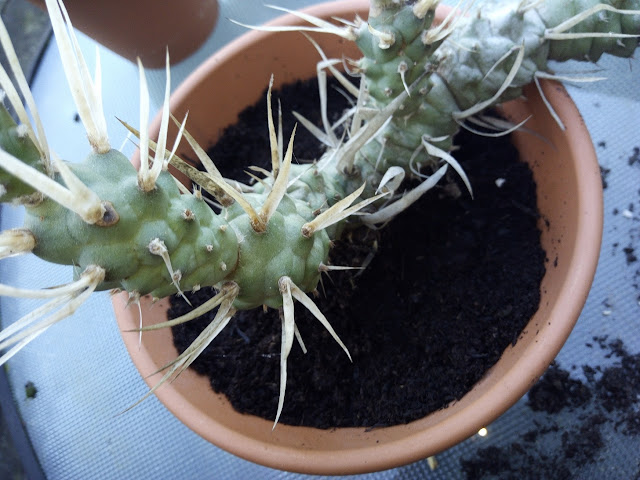 |
| I used multipurpose potting compost. Although you can get compost specifically for succulents. I used a newspaper lasso to remove the plant from its original pot as those spines are very prickly. |
 |
| Next, I added a layer of horticultural grit on the surface. This should help keep the moisture in the soil as well as look attractive. |
The next succulent is one that I took as a very tiny cutting a couple of years ago and was surprised by how well it has thrived.
 |
| You might notice some small white spots on the leaves. I think this is a fungus but it came off easily with a damp cloth and hopefully has not damaged the plant. |
Well, this is a technology blog, so here comes the tech stuff.
I have used one of
my microbit moisture sensors to monitor the moisture level in this succulent. Getting the right balance of water is essential to succulent survival. It is a good idea to let the pots completely dry out before gently rewatering again. The
microbit water sensor is ideal for this job.
 |
| My micro:bit water sensor showing animated "don't water me". |
Succulents and cacti like dry and warm conditions and, believe me, plant fungi like to grow in damp conditions. If like me you find that you have a problem with this then you may find a portable dehumidifier is a not-too-expensive solution. The link below shows the dehumidifier that I use.
I can thoroughly recommend this book -
Prick, by Gynelle Leon. It covers everything you need to know about the care of your cacti friends. Within these pages Gynelle covers the history, origins and background of succulent cultivation; a gallery of popular plants including care instructions as well as in-depth guidance on watering, repotting and style guides.


